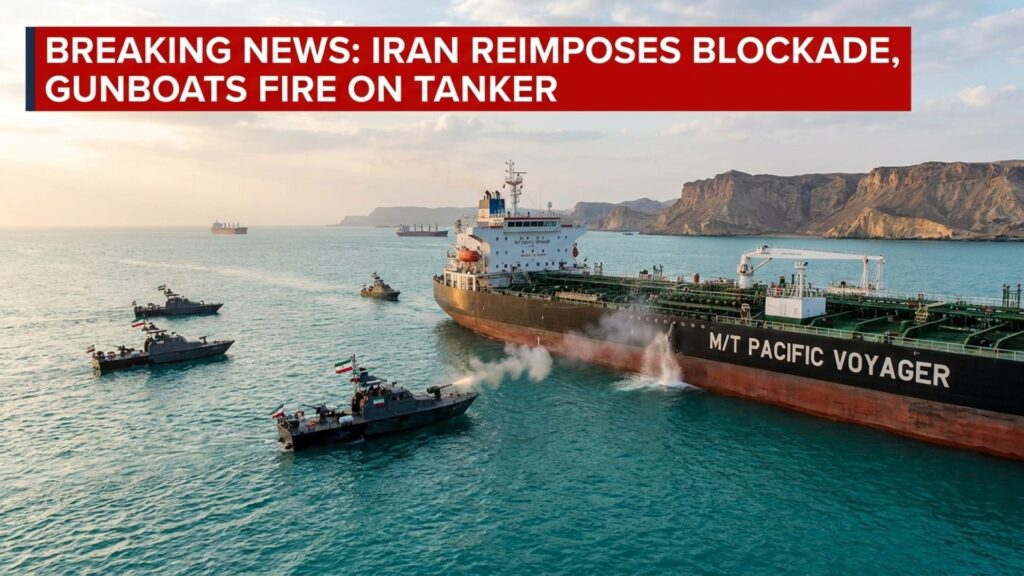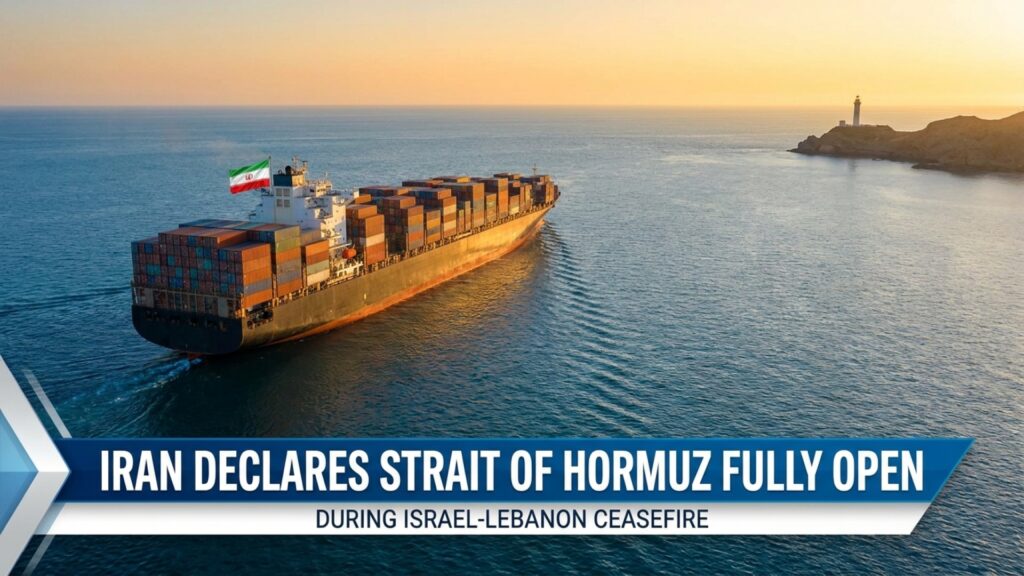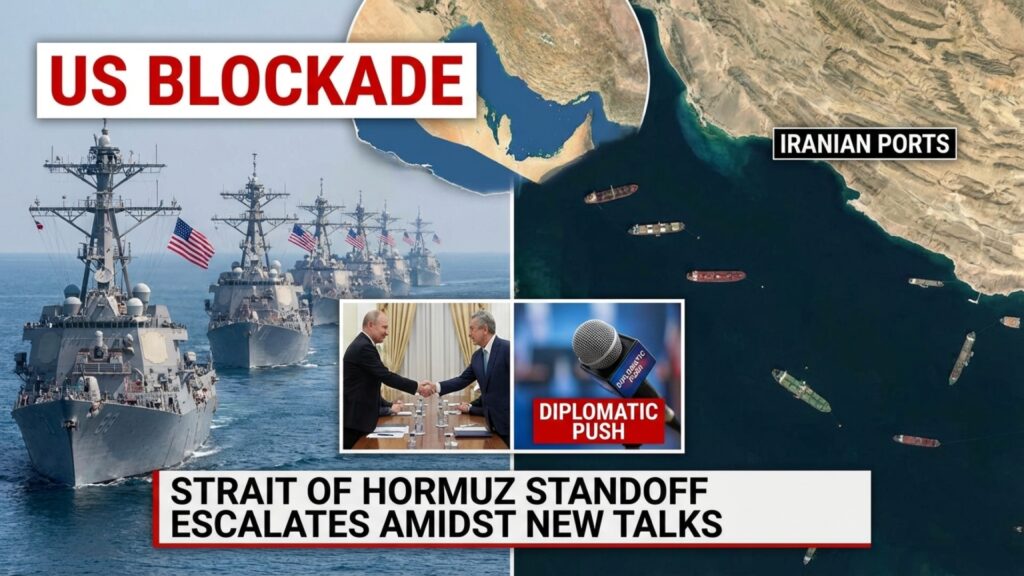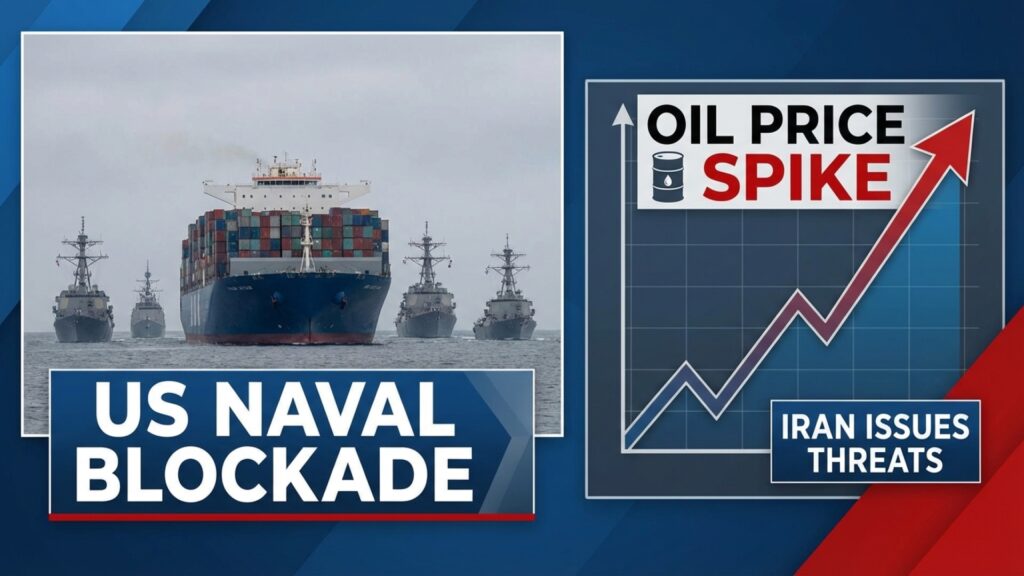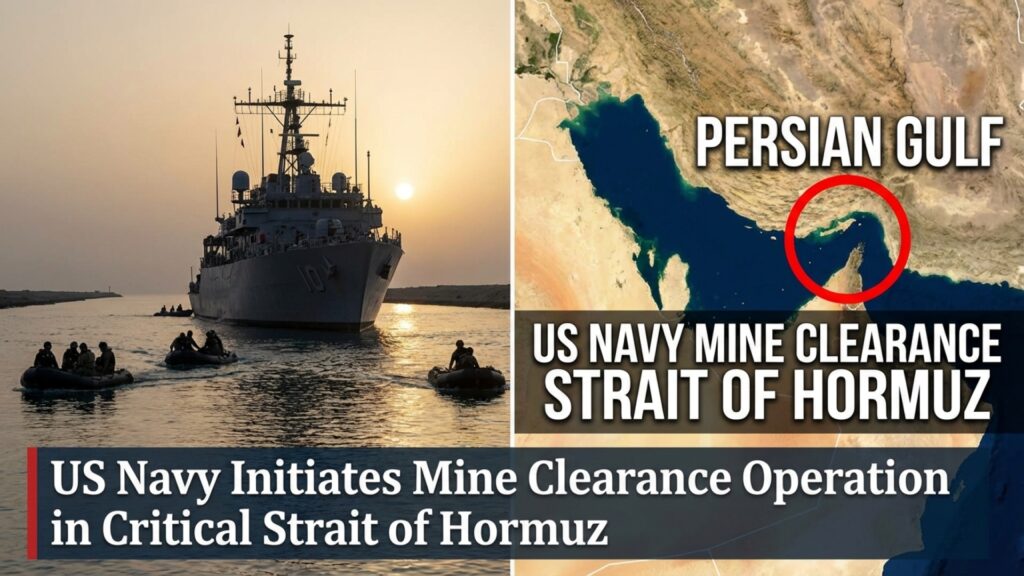
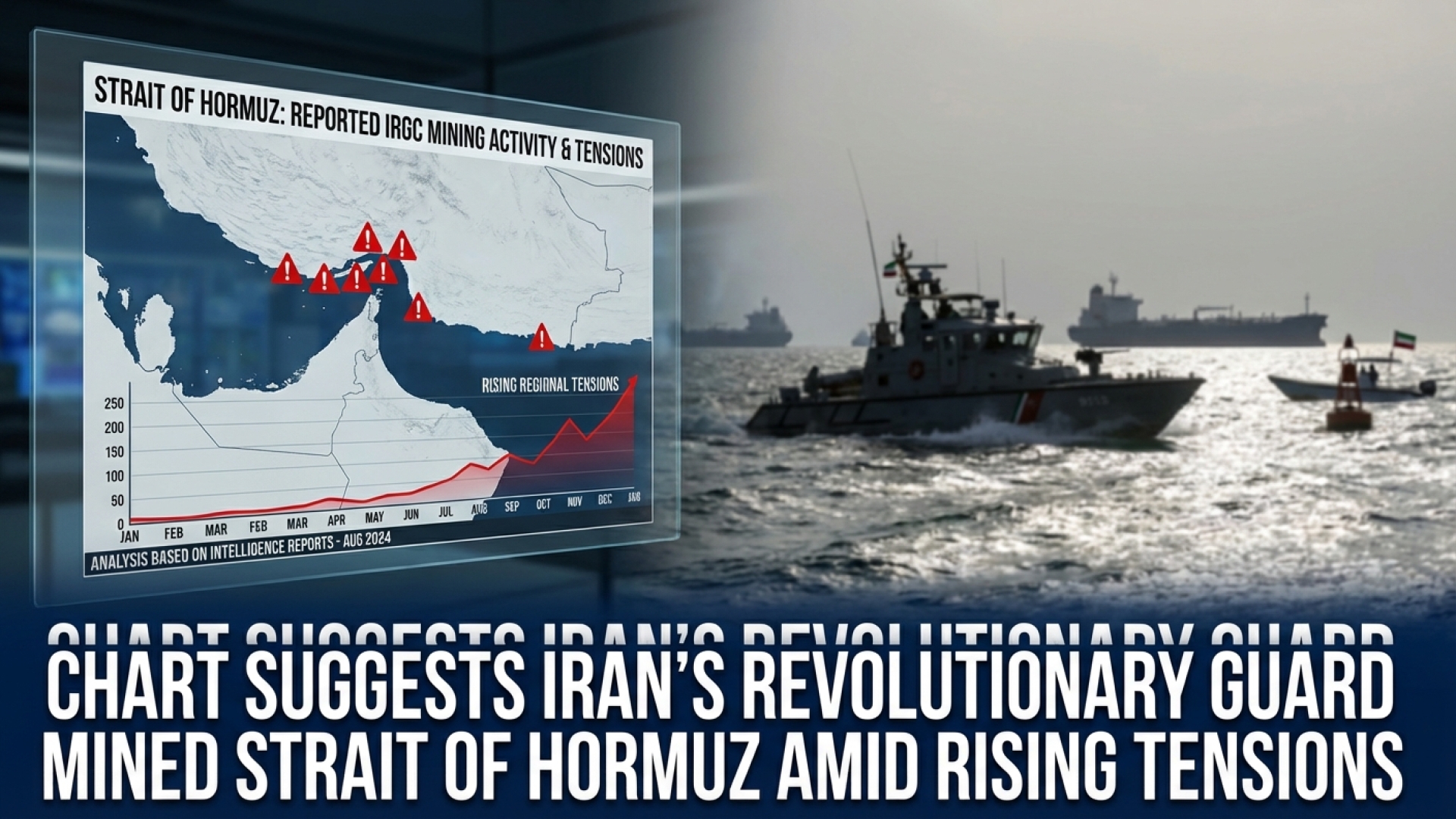
As Western New York residents keep a close eye on global energy markets and the potential impact on local fuel prices, a significant escalation in the Middle East is threatening the stability of international shipping lanes. Reports emerging Thursday indicate that Iran’s paramilitary Revolutionary Guard has potentially deployed sea mines within the Strait of Hormuz, a move that could have ripple effects from the Persian Gulf to the shores of Lake Erie.
Mining the Narrow Mouth: Threats to Global Trade
Semiofficial news agencies in Iran, including ISNA and Tasnim—the latter frequently cited as a mouthpiece for the Revolutionary Guard—published charts detailing a “danger zone” over the vital Traffic Separation Scheme. This area serves as the primary artery for 20% of the world’s oil and natural gas trade. The charts indicate that maritime traffic is being diverted toward Larak Island, closer to the Iranian mainland.
While the charts were dated from late February through April 9, uncertainty remains regarding whether these maritime navigation hazards have been cleared. For Buffalo-area businesses and consumers sensitive to global supply chain disruptions, this localized threat to international waters represents a significant concern for the broader economic landscape.
Washington Issues Stern Warning
In response to the maneuvers, U.S. President Donald Trump utilized his Truth Social platform to signal that the American military presence in the region would remain steadfast. Trump emphasized that the Strait of Hormuz will remain open, warning of unprecedented military action should the recently brokered ceasefire be fully ignored.
“If for any reason it is not… then the ‘Shootin’ Starts,’ bigger, and better, and stronger than anyone has ever seen before,” Trump stated, reinforcing the U.S. commitment to securing critical shipping lanes and preventing Iranian nuclear proliferation.
A Fragile Ceasefire on the Brink
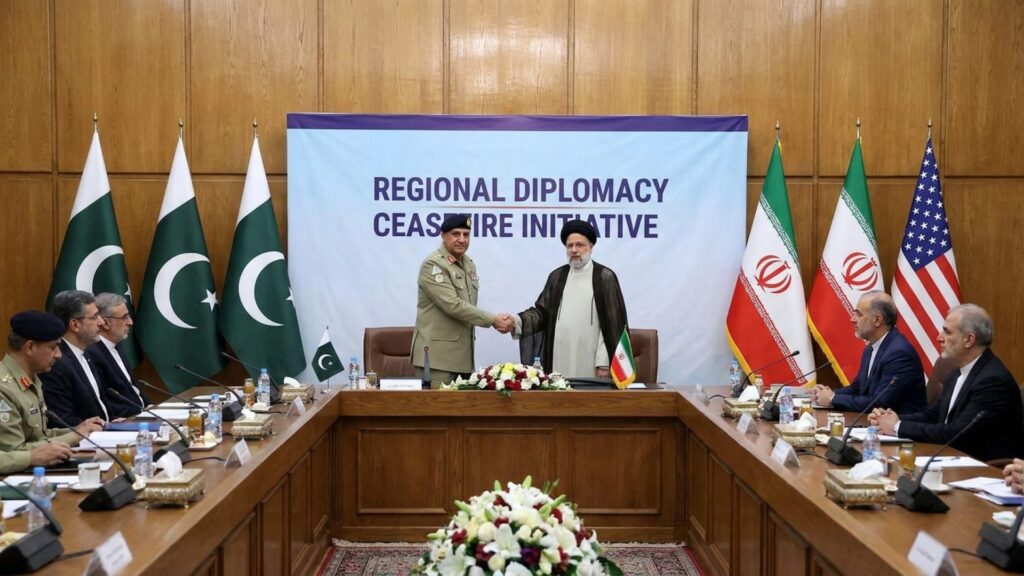
Despite initial optimism following a ceasefire agreement mediated in Pakistan, the deal appears increasingly precarious. While both Washington and Tehran originally claimed a degree of diplomatic success, the reality on the ground tells a different story. Continued drone strikes and missile exchanges have plagued the region, further complicated by intensified Israeli operations against Hezbollah in Lebanon.
In a recent analysis of the diplomatic friction, Iran’s parliament speaker, Mohammad Bagher Qalibaf, argued that the U.S. has already violated key tenets of the agreement. The following table outlines the primary points of contention currently stalling the nuclear deal negotiations:
| Disputed Condition | Iranian Allegation | U.S. / Israeli Stance |
|---|---|---|
| Regional Scope | Ceasefire must include an end to fighting in Lebanon. | The truce is limited and does not cover Hezbollah operations. |
| Airspace Integrity | Claims of U.S./Israeli drone incursions post-ceasefire. | Operations are targeted at active militant threats. |
| Enrichment Rights | Demand for recognized domestic enrichment capabilities. | U.S. maintains a “no nuclear capability” policy for Iran. |
Geopolitical Analysis: The Wedge Between Proxies
From an investigative perspective, the current volatility suggests a strategic effort to separate Tehran from its regional proxies. The Soufan Center, a New York-based think tank, noted that the scale of recent strikes in Lebanon serves as a catalyst for the deal’s potential collapse. This instability creates a “danger zone” not just in the water, but in the realm of international diplomacy.
At Lake Erie Times, we remain committed to tracking these global shifts, recognizing that in an interconnected world, a sea mine in the Strait of Hormuz can eventually impact the cost of living right here in Western New York. Our mission is to ensure our readers remain informed with accurate, in-depth reporting on the issues that matter most.
William Strasmore is an investigative reporter for the Lake Erie Times, focusing on the intersection of global policy and regional impact.
Disclaimer: The content provided by Lake Erie Times is for informational purposes only and should not be considered as professional legal or financial advice. Some links on Lake Erie Times are affiliate links; we may earn a commission at no additional cost to you based on our commitment to quality journalism.
Copyright 2025 Associated Press / Lake Erie Times. All rights reserved. This material may not be published, broadcast, rewritten, or redistributed without express permission.