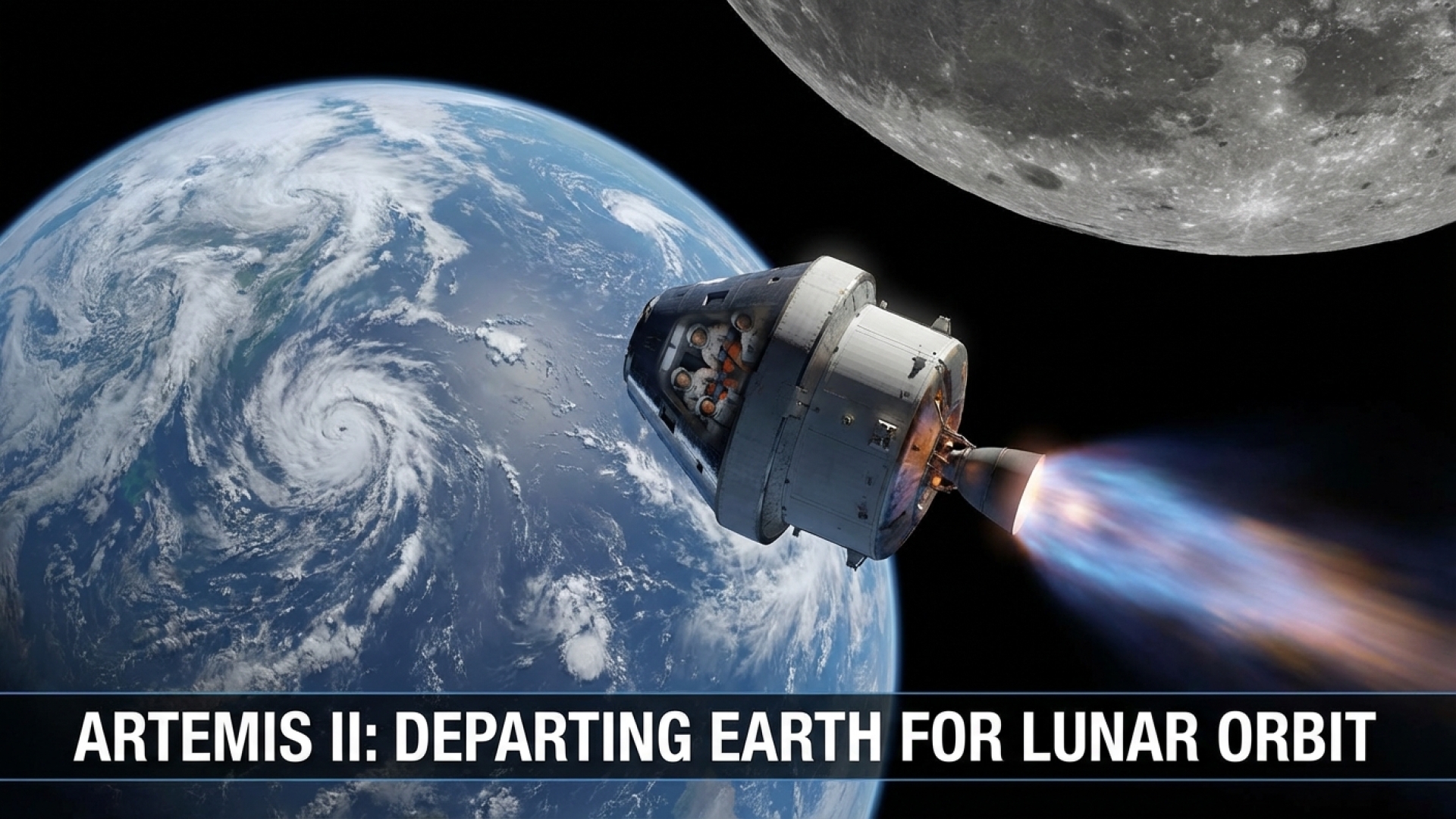
While the skies over Western New York may change by the hour, the focus of the scientific community in Buffalo and across the region is currently fixed on the stars. NASA’s latest lunar mission has successfully transitioned from Earth’s orbit to deep space, marking a significant milestone for American aerospace and the numerous regional contractors who support these historic endeavors.
Introduction to the Artemis II Mission
The Artemis II mission represents a pivotal moment in human space exploration, sending a crew around the Moon for the first time in over five decades. This ambitious undertaking is more than a mere return to our nearest celestial neighbor; it is the foundational step toward establishing a long-term human presence on the lunar surface. The three American astronauts and one Canadian astronaut currently aboard the Orion spacecraft are testing the systems that will eventually facilitate deep-space habitation and Mars exploration.
The Translunar Injection (TLI) Maneuver
A high-stakes phase of the mission, known as the translunar injection (TLI), was successfully completed Thursday night, roughly 25 hours after liftoff. To execute this maneuver, the Artemis II crew fired the Orion spacecraft’s main engine for nearly six minutes. This burn produced approximately 6,000 pounds of thrust—accelerating the capsule with the intensity of a high-performance vehicle—to propel the Orion capsule out of Earth’s gravitational hold.
The spacecraft is now on a trajectory toward the Moon, a journey spanning nearly 250,000 miles (400,000 kilometers). This event carries immense historical weight, representing the first engine firing of its kind for a human-crewed mission since Apollo 17 concluded its final moonshot in December 1972. Early telemetry from NASA confirms that the maneuver was executed with precision.
| Mission Component | Details |
|---|---|
| Spacecraft | Orion Capsule |
| TLI Thrust | Approx. 6,000 lbs |
| TLI Duration | Nearly 6 Minutes |
| Destination Distance | ~250,000 Miles |
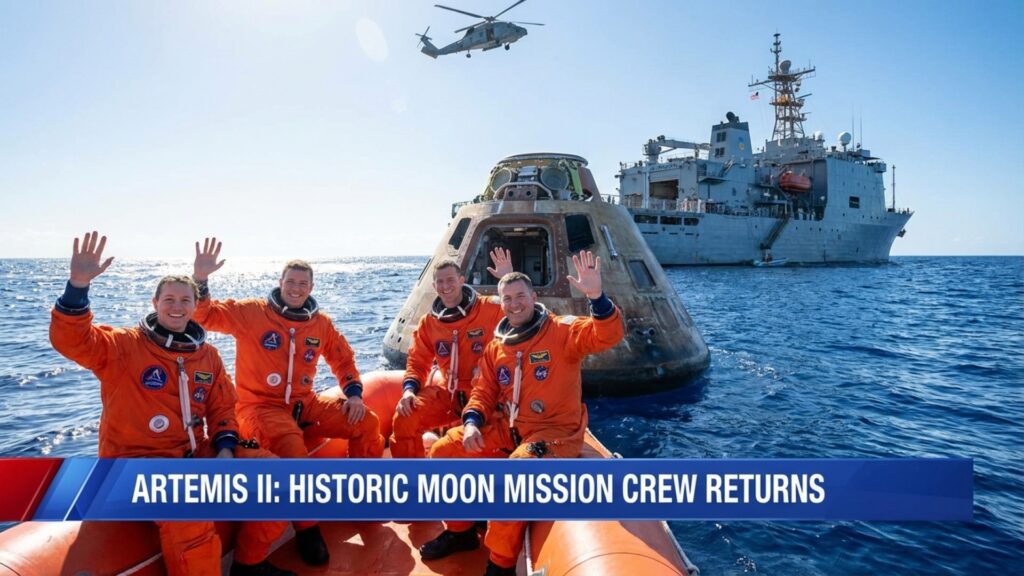
| Planned Splashdown | April 10, Pacific Ocean |
The Crew and Their Historic Journey
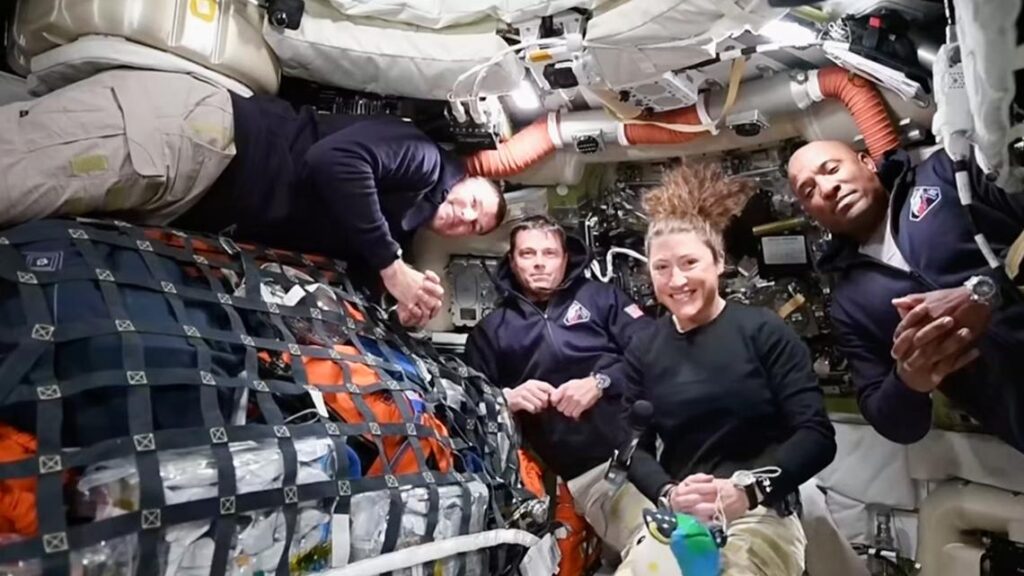
The Artemis II crew is led by Commander Reid Wiseman, Pilot Victor Glover, and Mission Specialists Christina Koch and Jeremy Hansen. Their objective is a lunar fly-around, followed by a direct return trajectory to Earth. By the mission’s peak, these four individuals are expected to have traveled farther from Earth than any humans in history, surpassing the record set by the Apollo 13 crew in 1970.
Preparing for Deep Space Realities
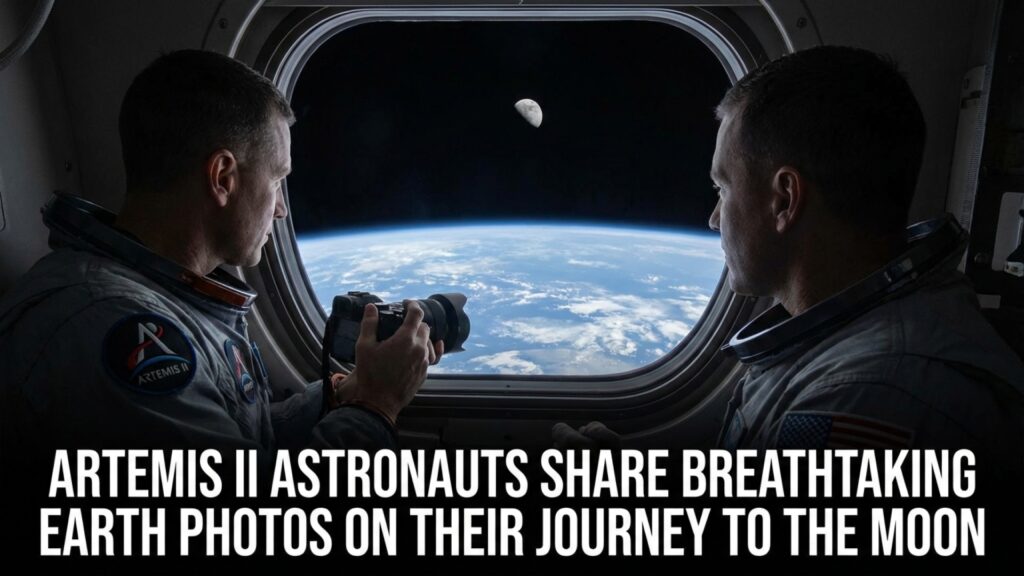
Before committing to the lunar path, the crew spent their first full day in orbit rigorously testing the Orion capsule’s life-support systems. This phase is critical for ensuring the craft can sustain life in the harsh environment of deep space. During these checks, Mission Specialist Christina Koch reported stunning views of Earth, noting that the crew could clearly identify continental coastlines and the South Pole from their vantage point tens of thousands of miles above.
In addition to system checks, the crew began their physical maintenance protocols using the spacecraft’s flywheel exercise device, a necessity for mitigating the effects of microgravity. Mission Control in Houston also fine-tuned the cabin temperature, raising it from 65 degrees Fahrenheit to ensure crew comfort as they move away from the Earth’s thermal influence.
The Future of the Artemis Program
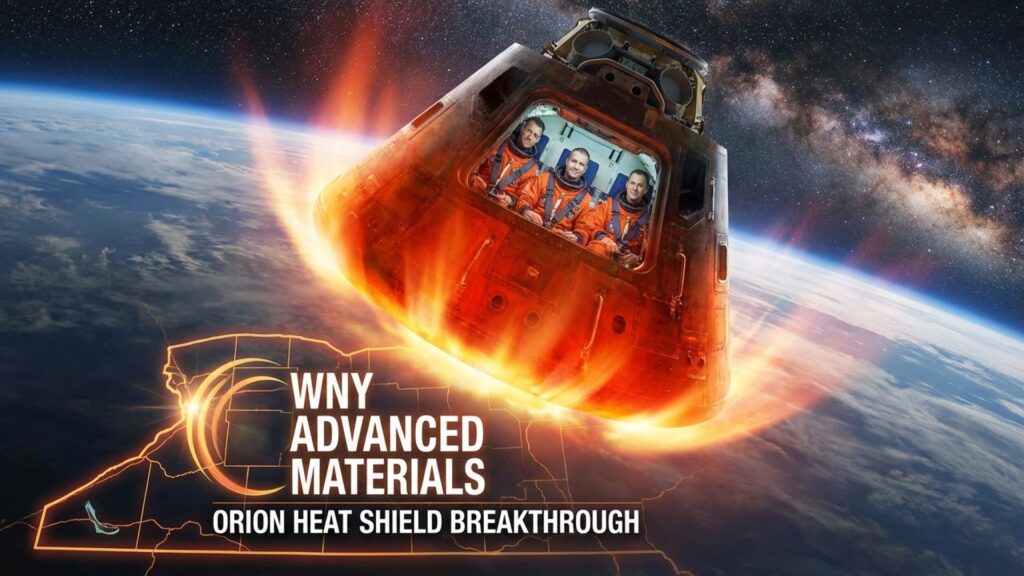
The success of the Artemis II test flight is the lynchpin for NASA’s broader lunar strategy. These objectives include the eventual construction of a lunar base and facilitating regular transport to the Moon’s surface. For Western New Yorkers, the mission is a point of regional pride, as local aerospace expertise—including contributions from companies like East Aurora-based Moog Inc.—has historically played a vital role in NASA’s propulsion and control systems.
As the mission progresses toward its April 10 splashdown, it serves as the ultimate proof of concept for the entire Artemis program. If successful, this flight clears the path for a crewed lunar landing, currently targeted for 2028, signaling a new chapter in humanity’s quest to reach beyond our own world.
For more updates on science and technology impacting the Western New York region, visit the Lake Erie Times local news section.