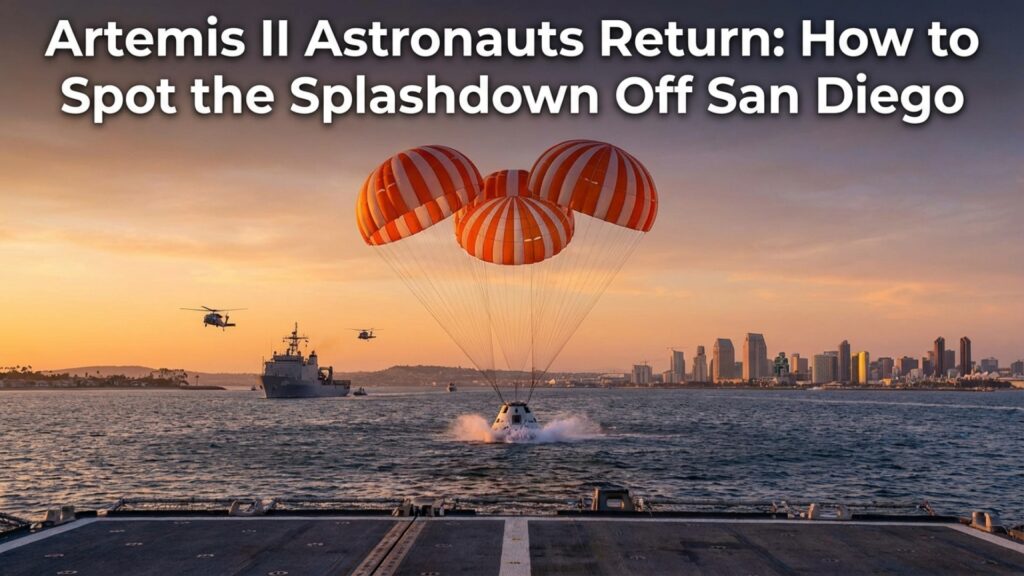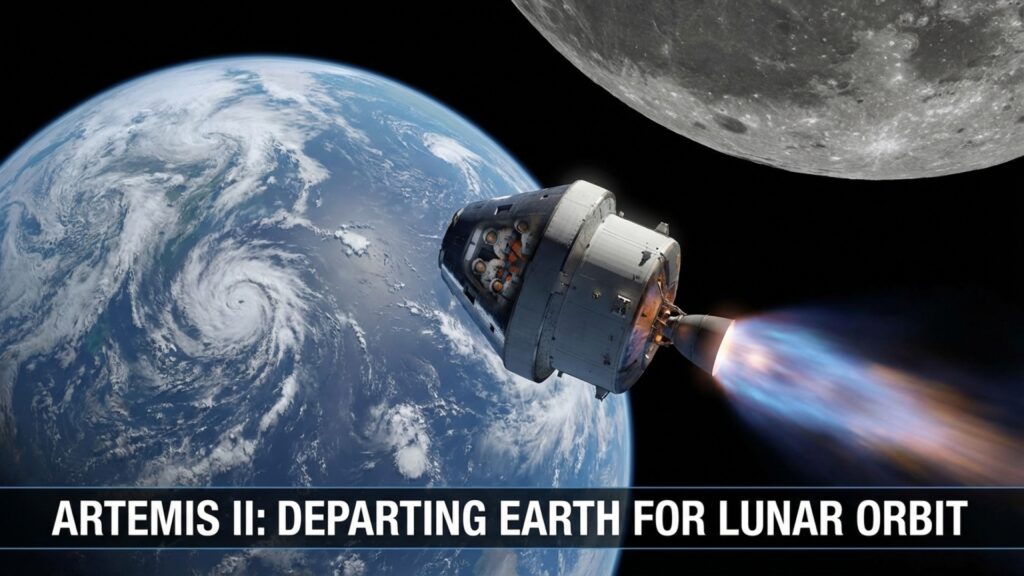
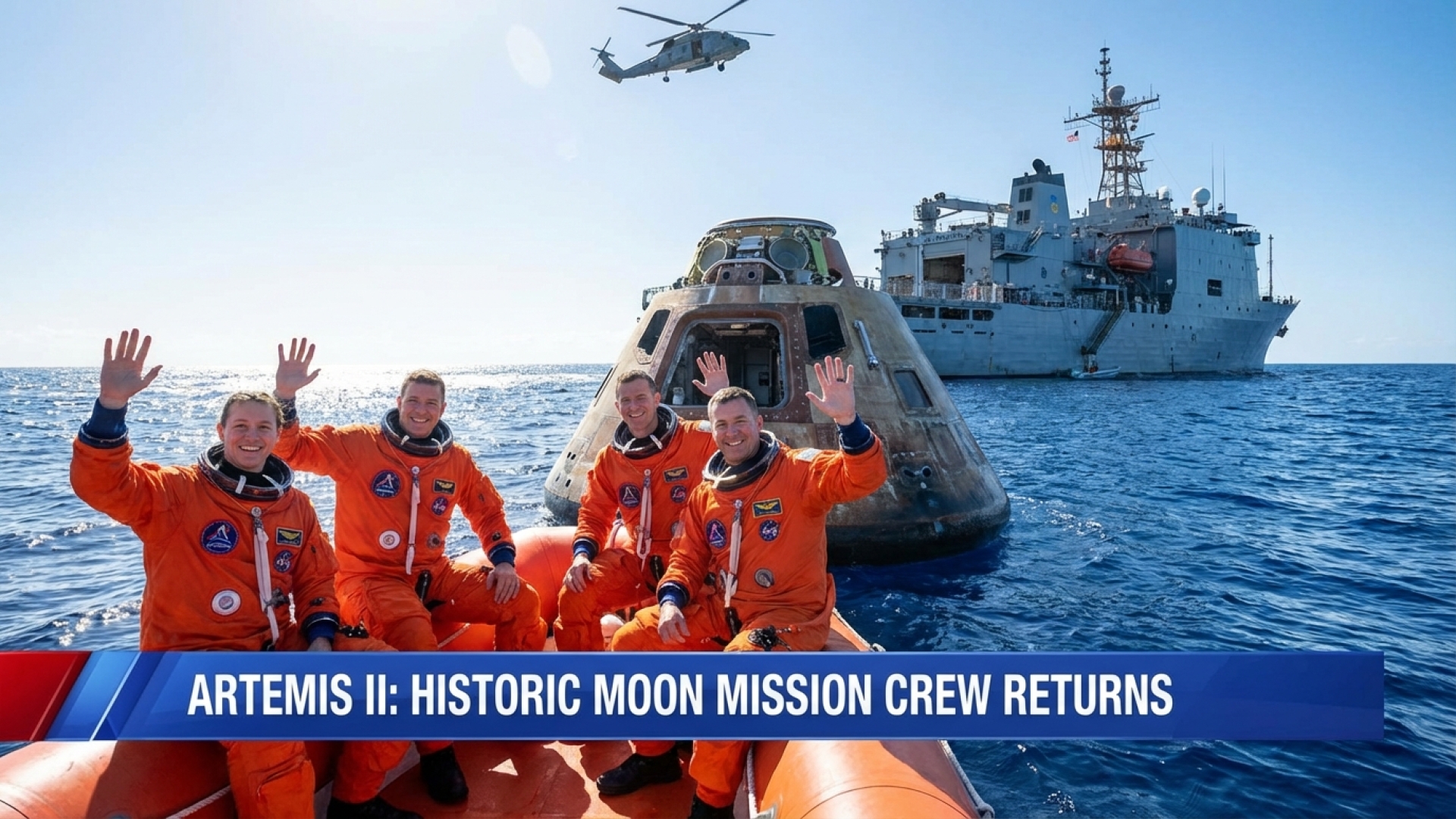
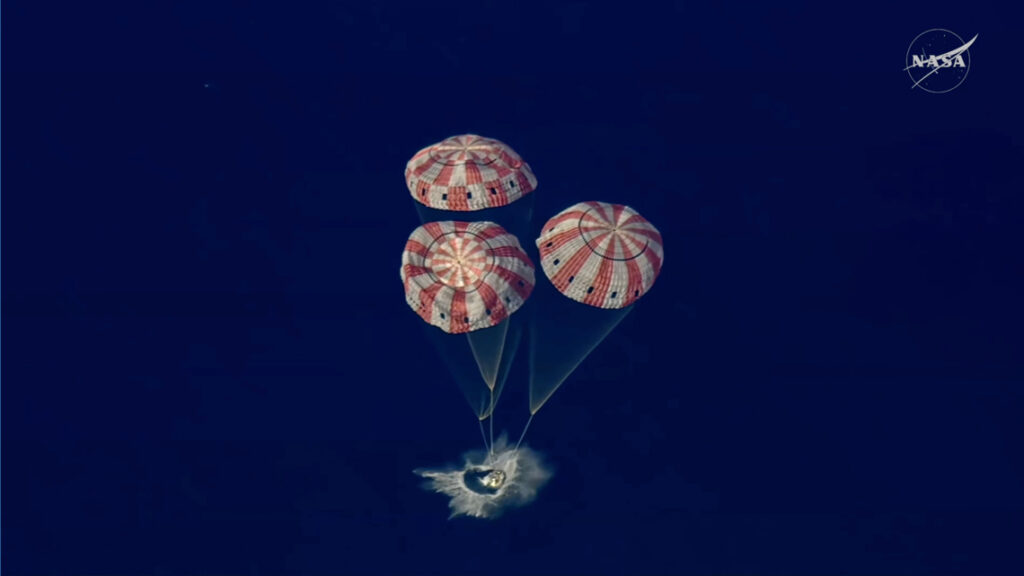
Artemis II’s crew successfully concluded humanity’s first lunar voyage in more than half a century with a historic Pacific splashdown on Friday, April 10, 2026. The mission, which pushed the boundaries of human spaceflight near the moon, executed its final maneuvers with remarkable precision, marking a triumphant conclusion to a journey watched closely by the scientific community in Western New York and across the globe.
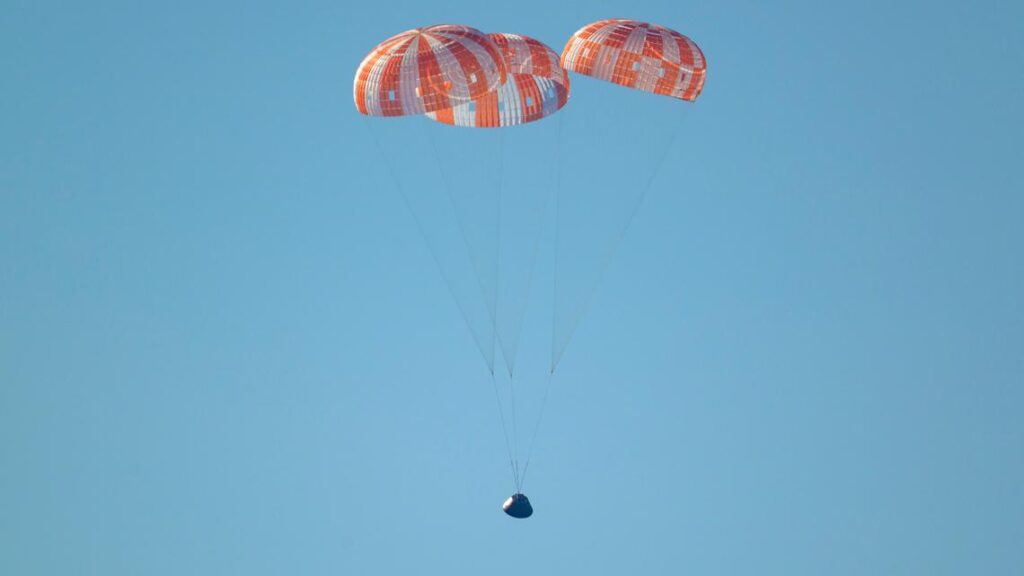
A Triumphant Return to Earth
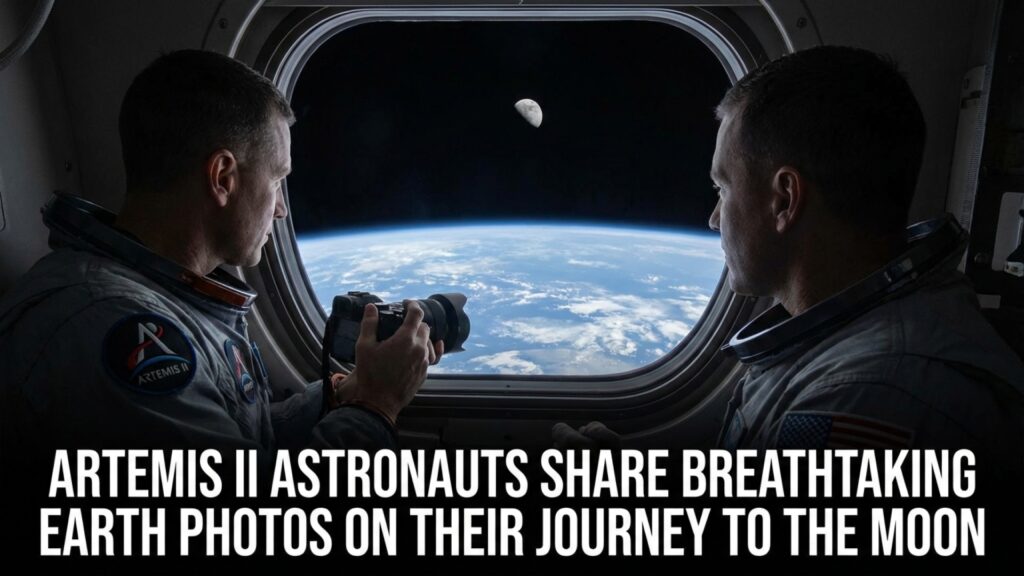
The mission provided the crew with breathtaking views of the lunar far side, a total solar eclipse, and a unique perspective of Earth shimmering against the vast, dark void of space. The successful recovery of the Orion capsule off the coast of San Diego represents more than just a safe return; it is a foundational step for the next generation of space exploration. For residents of the Buffalo region—a hub for aerospace innovation and engineering—this achievement serves as a powerful reminder of the possibilities of modern technology.
The Artemis II Crew: Pioneers of a New Era
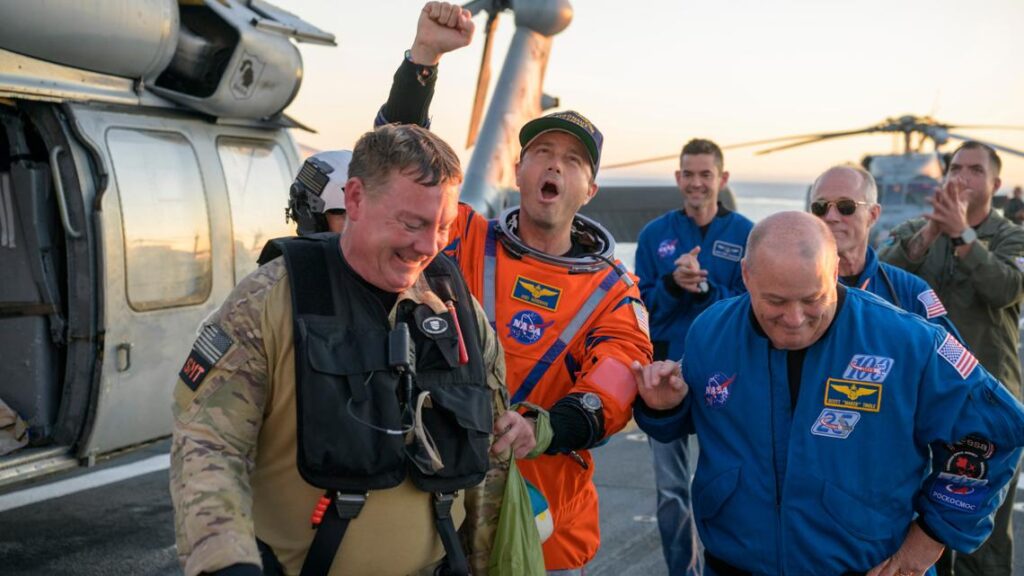
The four astronauts emerged from the capsule into the sunlight to the cheers of the recovery team. The pioneering crew included Commander Reid Wiseman, Pilot Victor Glover, Christina Koch, and Canada’s Jeremy Hansen. Their journey sets the stage for NASA’s ambitious timeline to return humans to the lunar surface within the next two years, with plans for a permanent moon base within the decade.
| Mission Component | Details |
|---|---|
| Mission Name | Artemis II |
| Spacecraft | Orion Capsule (Named “Integrity”) |
| Crew Members | Wiseman, Glover, Koch, Hansen |
| Splashdown Location | Pacific Ocean, off the coast of San Diego |
| Re-entry Speed | Mach 33 |

NASA’s Recovery Operations
The recovery process mirrored the precision of the flight itself. In a scene reminiscent of the Apollo era, military helicopters hoisted the astronauts from an inflatable raft and transported them to the Navy’s recovery ship, the USS John P. Murtha. NASA Administrator Jared Isaacman praised the crew’s resilience, describing them as “ambassadors from humanity to the stars.”
At Mission Control, the atmosphere was electric. Lori Glaze, a prominent figure at NASA, celebrated the achievement with the team, noting that this “moonshot” has redefined the limits of human capability. For local readers of the Lake Erie Times, this mission underscores the importance of continued investment in science and regional industries that support the global aerospace supply chain.

Technological Achievement: The Integrity Capsule
The Orion capsule, aptly named “Integrity,” functioned flawlessly on automatic pilot during its descent. Striking the atmosphere at Mach 33—thirty-three times the speed of sound—the capsule endured temperatures and pressures not seen since the 1970s. This successful re-entry confirms the viability of the Artemis program’s heat shield technology and navigation systems, ensuring that future missions to the lunar surface can proceed with confidence.
About the Author: William Strasmore is a dedicated news reporter for the Lake Erie Times. Based in Western New York, he provides in-depth, impartial coverage and incisive analyses on regional and national issues. With an extensive background in investigative journalism, William is committed to delivering accurate news that keeps the Buffalo community informed. Learn more on his author page.
About Lake Erie Times: Lake Erie Times is your comprehensive source for the latest news, insights, and stories from Buffalo, New York, and the broader Western New York region. Our mission is to provide the community with accurate, in-depth, and engaging news coverage, fostering informed dialogue across our region. Explore our sections on Local News, Business, and Community.
Disclaimer: The content provided by Lake Erie Times is for informational purposes only and should not be considered as professional legal or financial advice. Affiliate Disclaimer: Some links on Lake Erie Times are affiliate links. This means that if you make a purchase through these links, we may earn a commission at no additional cost to you. Our recommendations are based on careful research and our commitment to quality journalism.
Copyright 2025 Associated Press. All rights reserved. This material may not be published, broadcast, rewritten, or redistributed.