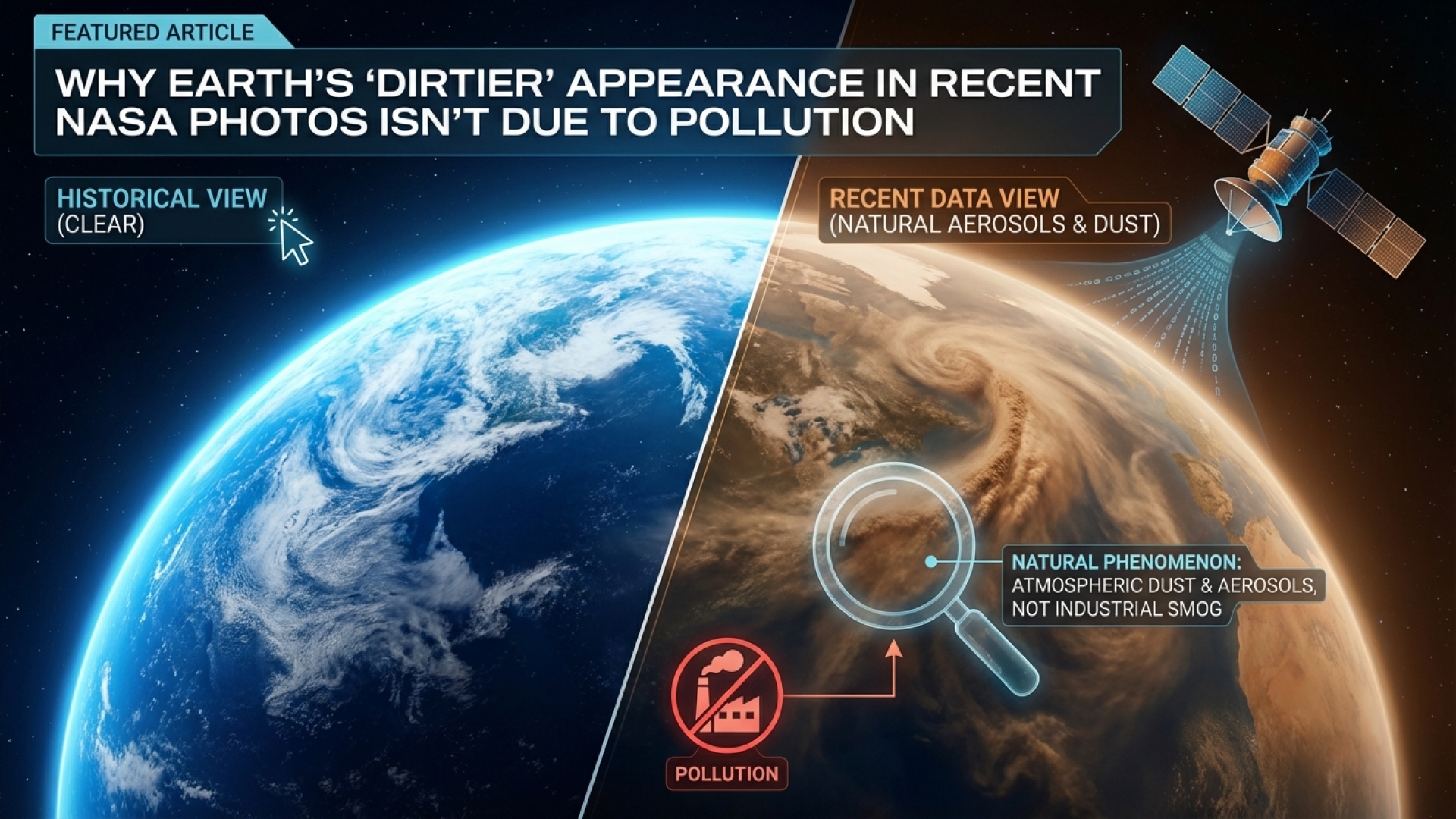
The majesty of our home planet was recently captured in a single, striking image by the crew of NASA’s historic Artemis II lunar mission. However, the photograph—dubbed “Hello World”—triggered a wave of skepticism across social media, with many users questioning why Earth’s vibrant colors seemed to have faded since the Apollo era.
For residents across Western New York, a region with a storied history in aerospace manufacturing and scientific inquiry, these celestial milestones often spark significant local interest. This latest mission, commanded by Reid Wiseman, saw the spacecraft positioned 100,000 miles from Earth on April 2, 2026, as it hurtled toward the moon.
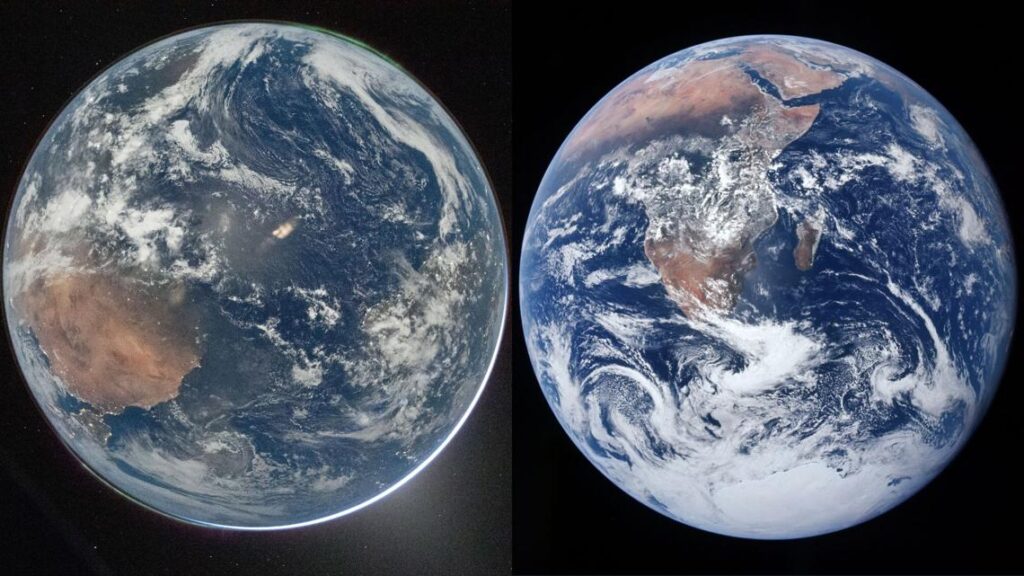
The “Hello World” photo depicts breathtaking auroras and a brilliant sliver of light as the Earth eclipses the Sun. Despite the technical achievement, critics online were quick to compare the image to the legendary 1972 “Blue Marble” photograph taken by Harrison Schmitt during Apollo 17. Because the Earth appeared more “muted” or “dirty” in the Artemis II shot, some commenters jumped to the conclusion that pollution had permanently dulled the planet’s appearance.
The “Hello World” photo captured by the Artemis II crew, showing Earth eclipsing the Sun.
However, an investigative look at the physics of photography and the orbital positioning of the spacecraft reveals a much more logical explanation than environmental decay.
The Science of Light: Why the “Blue Marble” and “Hello World” Differ
The perceived difference in Earth’s vibrancy is primarily a result of specific camera settings and the angle of solar illumination. While the 1972 image was captured with the Sun directly behind the photographer—fully illuminating the Earth—the Artemis II crew was positioned on the “night” side of the planet.
According to technical data from NASA’s official archives, Commander Wiseman had to push his equipment to the limit to capture any detail at all. To account for the lack of direct sunlight, the camera’s ISO—which measures sensitivity to light—was set to 51,200. In contrast, a typical outdoor photo in Buffalo would use an ISO of around 100 or 200.
Feature
Apollo 17 “Blue Marble” (1972)
Artemis II “Hello World” (2026)
Light Source
Direct Sunlight (Front-lit)
Moonlight & Shadow (Back-lit)
Film/Sensor Sensitivity
64 ASA (Slide Film)
51,200 ISO (Digital)
Visual Result
Vivid, saturated blues and whites
Muted, dark tones with visible auroras
A NASA spokesperson confirmed that the “duller” appearance is not a reflection of Earth’s air quality or pollution levels. “The color of Earth in new photos may appear duller because the photos were taken at night, with the Earth’s surface lit only by moonlight,” the spokesperson noted. “The most likely cause is how the photos are processed.”
Photography educator Jared Polin, who provided a detailed analysis of the mission’s optics, described the comparison as “night and day.” He noted that the Apollo 17 image utilized slow-speed slide film, whereas the Artemis II image required an “insane” 9-stop increase in sensitivity to compensate for the Earth blocking the Sun.
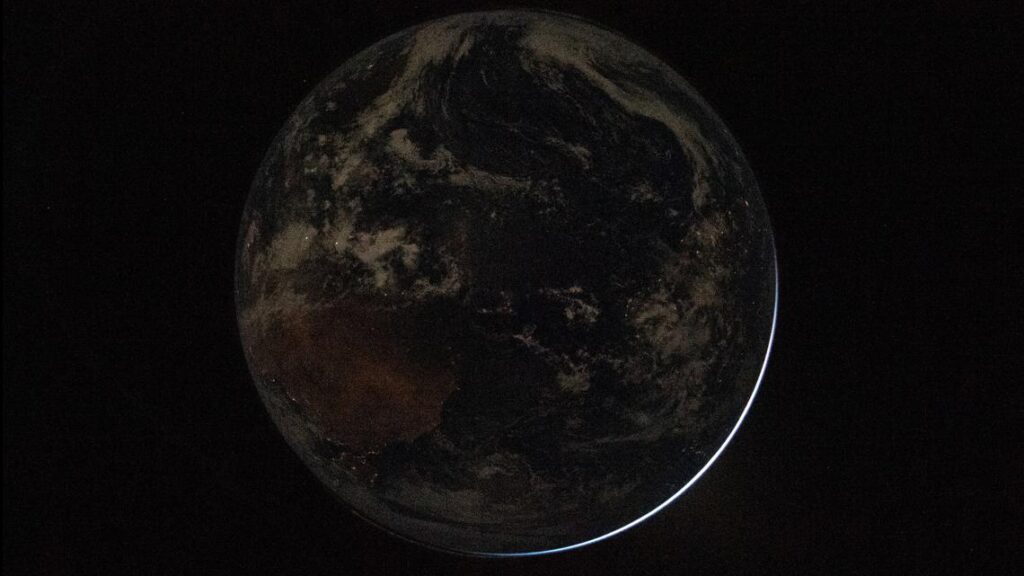
Wiseman later shared additional imagery to illustrate this point, capturing the “Dark Side of the Earth,” where the planet appears as a deep, shadowed orb, further proving that perspective—not pollution—dictates the palette of space photography.
Commander Wiseman captured another image showcasing the darker, shadowed side of the Earth in space.For more updates on local science and national milestones affecting Western New York, stay tuned to Lake Erie Times.
Disclaimer: The content provided by Lake Erie Times is for informational purposes only and should not be considered professional legal or financial advice. Some links on our site are affiliate links; we may earn a commission at no additional cost to you, supporting our commitment to quality journalism.